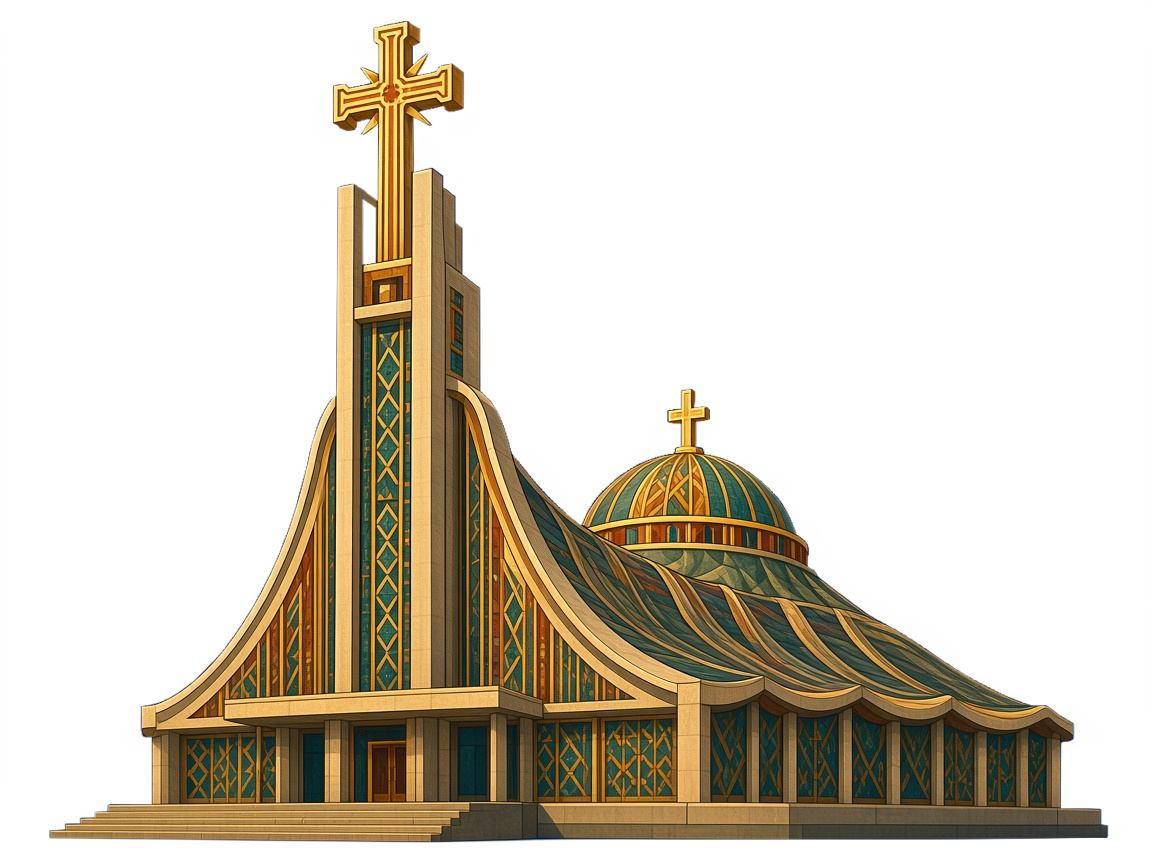
The Uniates of the Commonwealth give thanks for the gift of Unity
of the Union of Brest
20years
of pastoral care for Belarusian Greek Catholics in Poland.
We invite you to an evening devoted to the history of the Christian East and West. We will meet to learn about the history of the union, take part together in the Byzantine liturgy and mark the anniversary with Belarusian songs.
14
When
November
2026 · 16:00
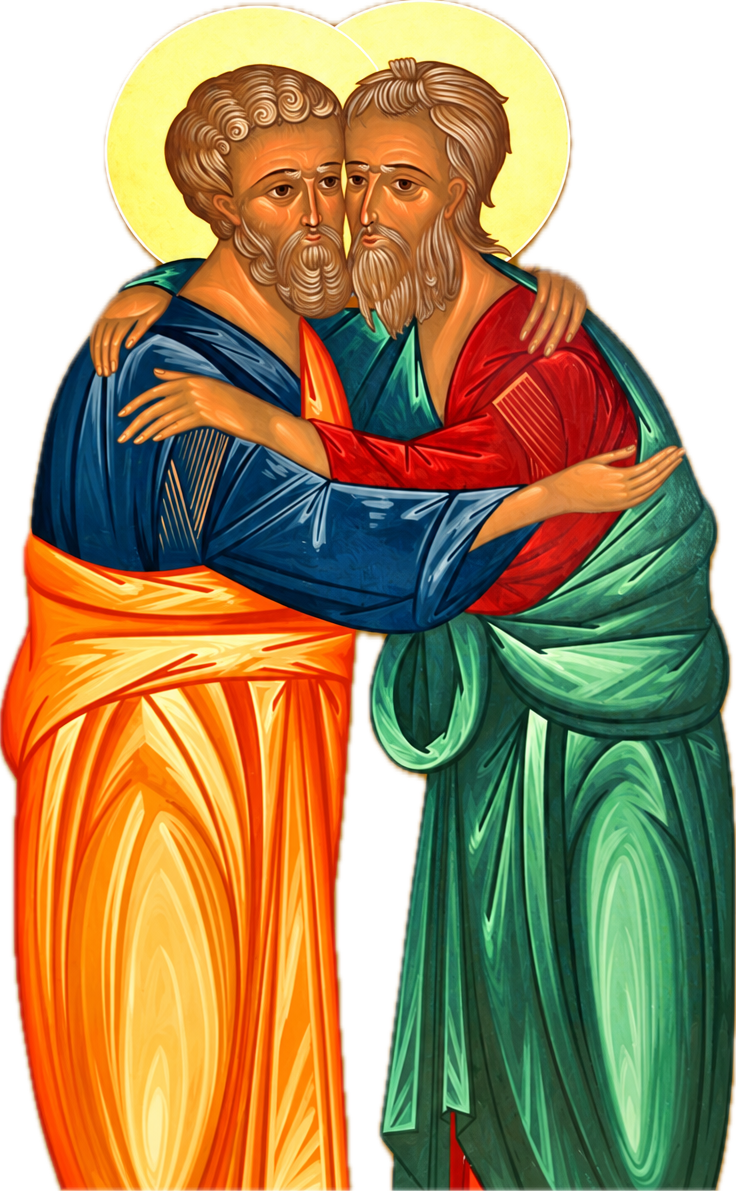
HISTORICAL DOCUMENT / 1596
The Charter of the Union of Brest
Brest · 8 October 1596
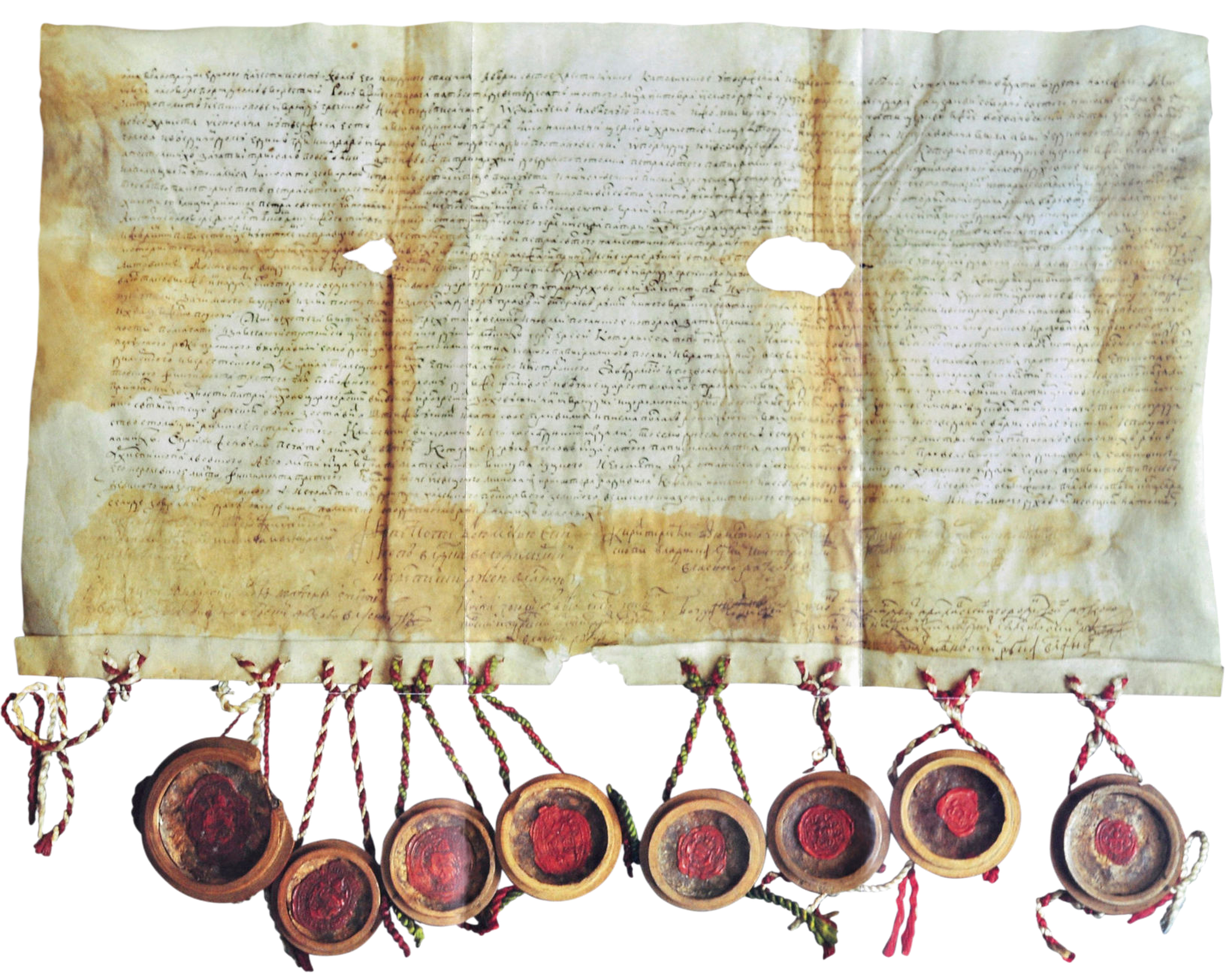
An editorial translation of the historical act into English. The date and the list of signatories follow the Ukrainian publication by L. Tymoshenko (document no. 6, pp. 160–163). The main text has been compared with the old Polish version. The Polish publication gives 9 October; the Ukrainian one gives 8 October according to the old calendar. The polemical judgments convey the views of sixteenth-century authors.
In the name of God, one in the Trinity.
For His honour and holy praise, for human salvation, and for the exaltation and strengthening of the holy Christian Catholic faith — to all whom it concerns to know of this.
In the year of God 1596, on the eighth day of the month of October according to the old calendar, we, the metropolitan and bishops of the Greek rite, the undersigned, gathered in God at the ordinary council in Brest, in the cathedral church of Saint Nicholas, proclaim for eternal remembrance:
We, seeing that the sole governance of God's Church was established and confirmed in the Gospel by the lips of our Lord Jesus Christ, so that the Church of Christ might stand firmly upon one Peter, as upon a rock, and be governed and led by one; so that one body might have one head, and in one house one master and steward of God's gifts, set over God's household to care for the order and good of all; and that this order of God's Church, begun in apostolic times, endured through all ages; that all the patriarchs always turned to the one successor of Saint Peter, the Roman Pope, in matters of teaching the faith, of receiving spiritual authority, of episcopal judgments and appeals.
HISTORICAL CONTEXT
The historical circumstances of the Union of Brest
Attempts to overcome the Eastern schism in the Church have a long tradition, and the end of the sixteenth century brought especially favourable conditions for it. It was then that the Patriarch of Constantinople, who was the head of the Orthodox Churches in the territory of the Commonwealth and the Muscovite state, established the Moscow Patriarchate. This created the threat of Muscovite interference in the internal affairs of the Crown and Lithuania. At the same time the Patriarch of Constantinople provoked the discontent of the Orthodox clergy of the Commonwealth, among other things by introducing an obligatory fee for episcopal ordination. In these circumstances the Orthodox of the Commonwealth began to seek a different path for their Church.
The striving for reconciliation also grew stronger on the Catholic side. The Catholic Church was then passing through a time of intensive reforms connected with the Council of Trent. The Jesuits held great influence within it, acting upon the Polish king and upon state affairs in general. Piotr Skarga, one of the most eminent members of the order, wrote a work on ecclesial unity under one shepherd. It was read also by King Sigismund III, who, seeing too the danger of the Orthodox of the Commonwealth being subordinated to Moscow, became a supporter of the church union. The Jesuits created a network of schools with a high level of teaching, popular among the Orthodox nobility. In these schools a favourable image of the Catholic Church took shape, and in time part of the Orthodox nobility became more favourably disposed toward Rome.
In these circumstances the bishops who supported the union began negotiations with the king and the Catholic hierarchs. In 1595 representatives of the Orthodox of the Commonwealth set out for Rome, where they professed the faith before the Pope and agreed on the terms of the union. These provided for the preservation of the former rites, the calendar and the ecclesiastical hierarchy, while recognising papal authority. Soon a council was convened in Brest, at which the act of union was signed. The Church that arose from this reconciliation came to be called Greek Catholic, or Uniate. Part of the clergy did not join the union and remained Orthodox; its adherents were then called disunites.
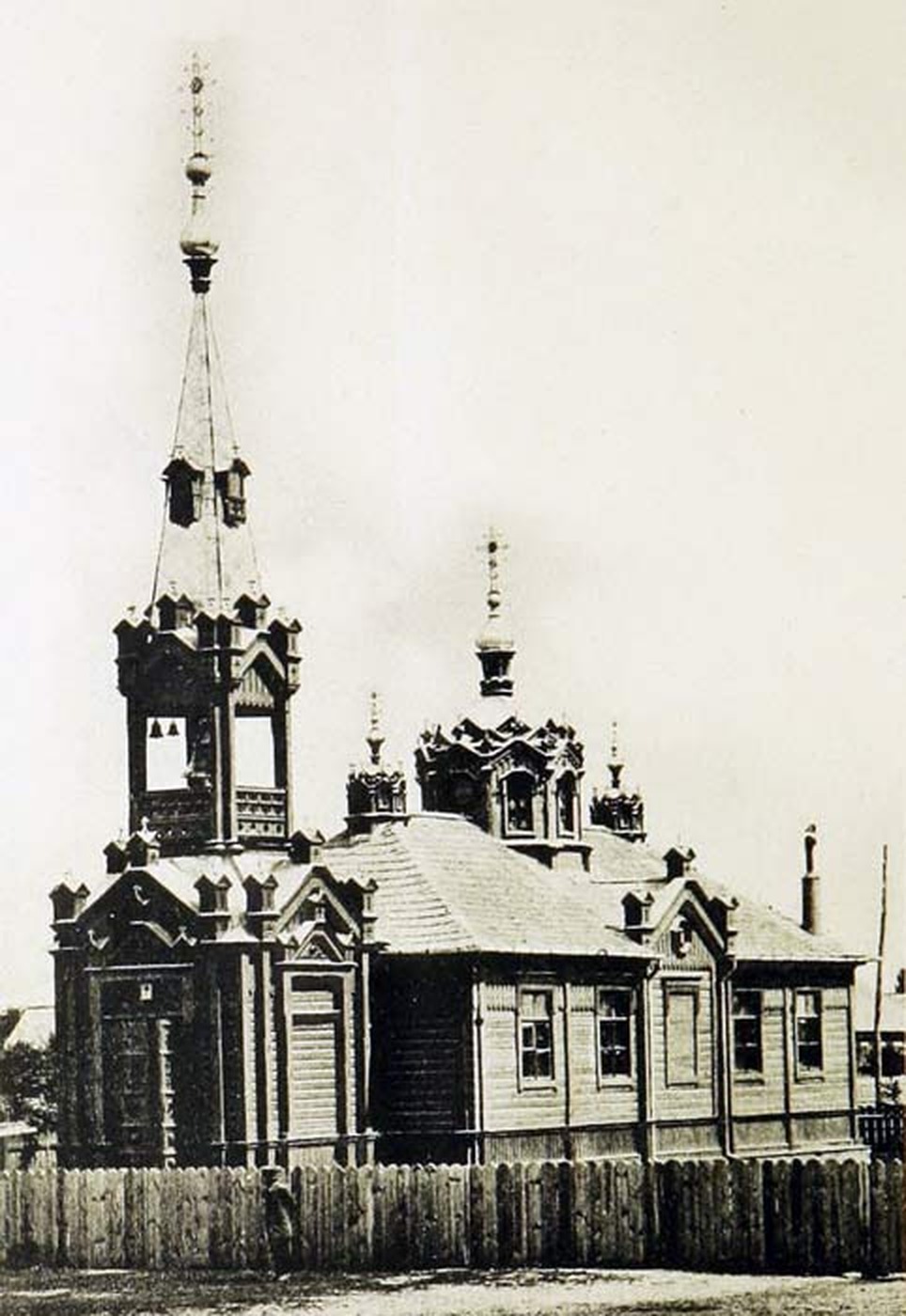
Hipacy Pociej
Concern for the unity of the Church
Hipacy Pociej (1541–1613), bishop of Volodymyr and Brest and later metropolitan of Kiev, was one of the architects of the Union of Brest. Together with Cyril Terlecki he represented its supporters in Rome. But his attitude toward unity is witnessed not only by the events of his biography — his own voice has also been preserved.
His letters and polemical works have come down to us, among them the «Antirrhesis» and a letter to Prince Konstanty Ostrogski of 3 June 1598. In this letter Pociej speaks of ecclesial concord as a matter of conscience and of responsibility before God. For him it is a question of the salvation of the people entrusted to a shepherd, of their life in one Church.
Towards the end of the letter he expresses the hope that the prince will help to bring peace to God's Church, and confesses how ardently he prays for this:
«…day and night, with my tears, I beseech the most Merciful God…»
From the letter to Prince Konstanty Ostrogski, 3 June 1598. The fragment is translated from a published Ukrainian translation.
In these words one hears the personal pain of a shepherd. For Pociej unity was a prayerful concern: the desire that Christians might live as brothers, having a common Father and helping one another under one Head — Christ. That is exactly how he describes the Church in his letter.
Read Hipacy Pociej's letter ↗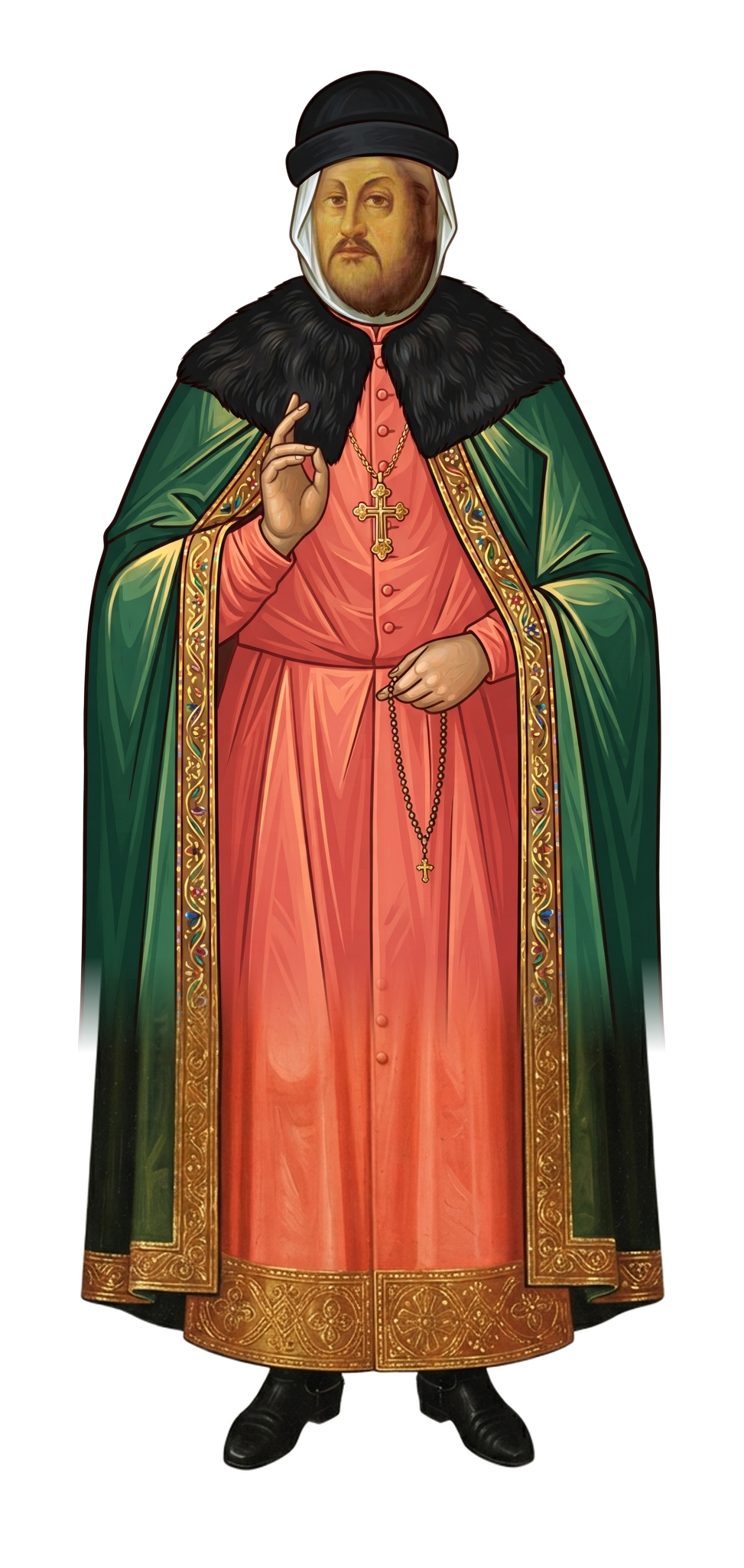
Saint Josaphat Kuntsevych
A life given for unity
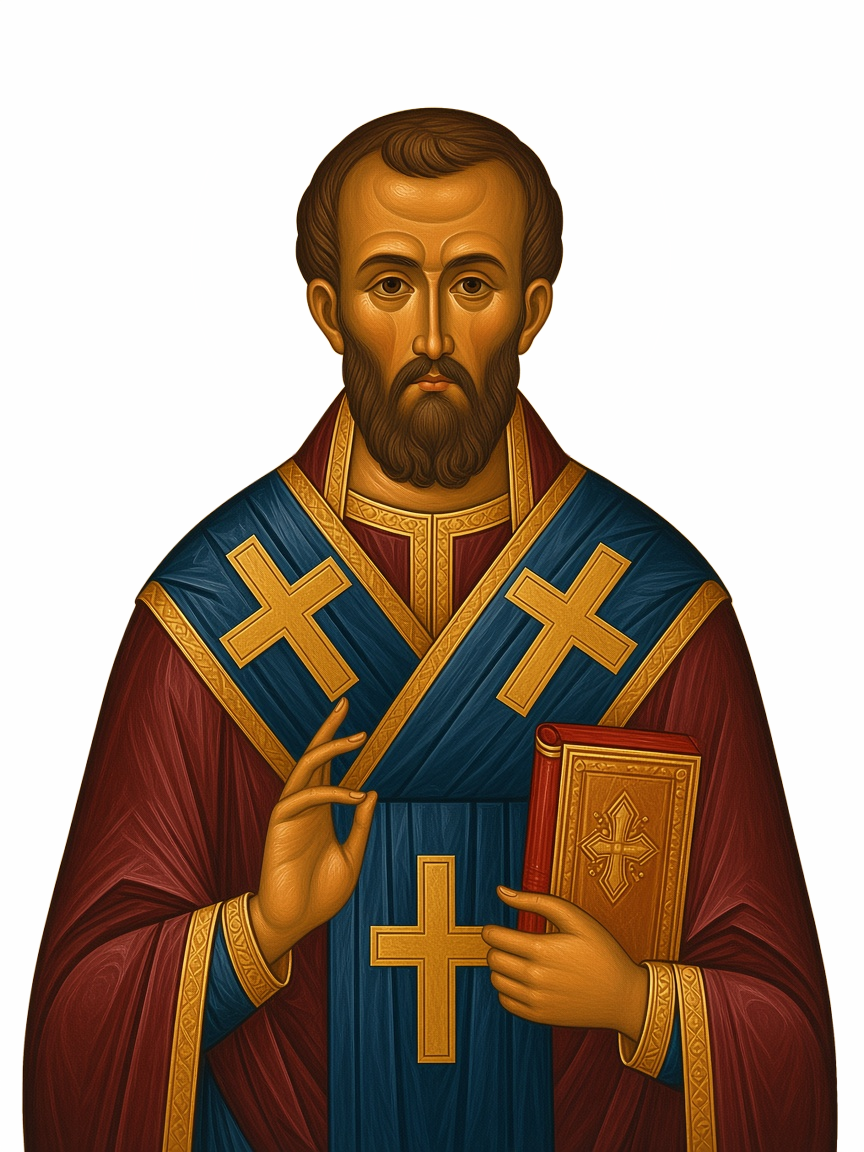
Josaphat Kuntsevych devoted his life to the service of the Church and its unity. As a Basilian monk, priest and archbishop of Polotsk, he saw in unity with Rome the path of fidelity to Christ, while preserving the Eastern liturgy and spiritual tradition.
The Catholic Church venerates him as a holy bishop and martyr for the faith and for the unity of the Church. His holiness is associated with a life of prayer, asceticism, care for the faithful and mercy toward the poor. In the encyclical Ecclesiam Dei, Pope Pius XI recalls that in order to help those in need, Josaphat even pledged his omophorion — the sign of the episcopal office. The same encyclical conveys his prayer, spoken shortly before his death:
«Lord, grant that I may shed my blood for unity and obedience to the Apostolic See».
The words of Josaphat cited by Pius XI in the encyclical Ecclesiam Dei (1923). Translated from the Latin.
These words show how personally he lived the cause of the union. He was ready to bear witness to his service of unity with his own life. According to the same encyclical, during the assault he begged that his servants not be harmed, and to the last he prayed for forgiveness for his murderers.
Josaphat died in Vitebsk on 12 November 1623. In 1641 he was beatified, and in 1867 Pope Pius IX proclaimed him a saint. In venerating him the Church unites the memory of his pastoral life with his martyr's death for the unity he served.
HISTORY / MEMORY
Trials and fidelity
Over the centuries, fidelity to the union demanded courage. Its history preserves the memory of violence against priests and the faithful, of seized shrines, closed monasteries and attempts to force people to renounce unity with Rome.
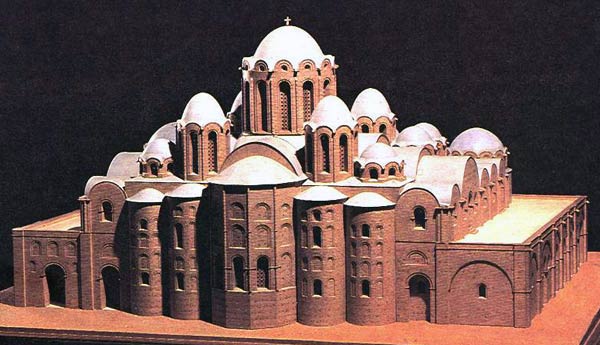
In 1705, in the Saint Sophia Cathedral in Polotsk, Peter I and his companions killed Basilian monks. A powder magazine was placed in the cathedral, and its explosion in 1710 destroyed the shrine. These events left a deep wound in the memory of the local Church.
In 1839 the authorities of the Russian Empire abolished the Uniate structures in the western provinces, including the Belarusian lands, annexing them to the state Orthodox Church. In 1875 a similar fate befell the Chełm eparchy. The faithful were deprived of their shrines and of the possibility of freely preserving their ecclesial allegiance; resistance was suppressed by repression.
The martyrs of Pratulin became a witness to this fidelity. In January 1874 thirteen Uniates died defending their shrine and their unity with the Catholic Church. In 1996 John Paul II proclaimed them blessed.
MEMORY / UNITY
A memory that calls to unity
«That they may all be one» Jn 17:21
Churches can be seized and destroyed. But historical memory lives on — in prayer, in testimonies and in the fidelity that one generation passes on to the next.
The blood of the martyrs and their sincere devotion to the unity of the Church appeal to our conscience. They call us to continue this good, though often thankless, work: to pray, to seek reconciliation and to preserve Love even when it demands suffering and sacrifice.
The deepest ground of this calling is the prayer of Christ himself to the Father: that his disciples may be one, as he and the Father are one (cf. Jn 17:21–23). By continuing the work of the unity of the Churches in their various traditions, we respond to this call. May the memory of those who gave their lives for the unity of Christians help us too to bear worthily our cross, our tradition and the memory of our Church.
PROGRAM
14 November 2026
The Union of Florence through the eyes of a contemporary
Fr. Prof. Józef Grzywaczewski, UKSW · Bl. Fr. Jerzy Hall
The Union of Brest — origins and consequences
Dr Radosław Dobrowolski, Mayor of Supraśl, University of Białystok, Faculty of International Relations · Bl. Fr. Jerzy Hall
Discussion
Bl. Fr. Jerzy Hall
Introduction to the Byzantine liturgy
In the church
Divine Liturgy in the Eastern Catholic rite
In the church
Agape with Belarusian songs
Bl. Fr. Jerzy Hall
VENUE
Warsaw · Wrzeciono
ul. Przy Agorze 9
Parish of the Immaculate Conception of the Blessed Virgin Mary